
Licensing
The ThemeForest License, Explained (Regular vs Extended)
Compare ThemeForest Regular and Extended licenses, the paid-blogging-theme exception, one-end-product rules, support and GPL-covered code.

A ThemeForest license usually covers 1 end product. The general difference is whether end users pay to use that end product: Regular covers free use and Extended permits paid use. There are item-specific exceptions, including blogging themes on a paid-subscription site, so the item’s category and terms matter.
The unit is the end product, not the developer. Buying a theme once doesn’t license you to use it everywhere. It licenses one finished thing, and every additional finished thing needs its own purchase.
I’ve been building WordPress sites since 2009, and I’ve watched this exact confusion cost people money in both directions — freelancers buying Extended licenses they didn’t need, and agencies reusing one Regular license across a dozen client sites without realizing they’d agreed not to.
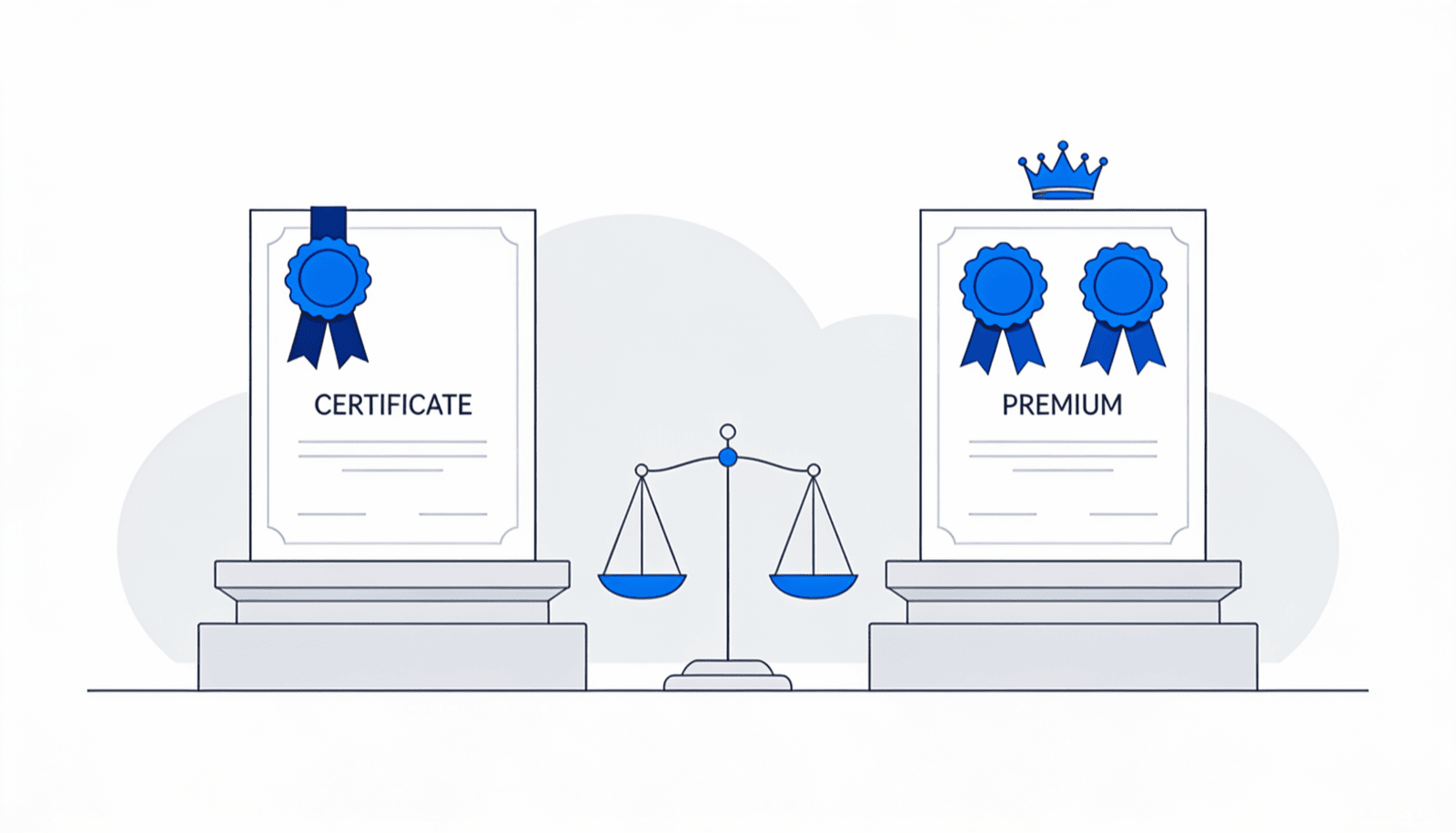 Two tiers, one rule in common: each license covers exactly one end product.
Regular vs Extended: the two ThemeForest licenses, side by side
Envato’s standard license overview gives the general free-versus-paid distinction. Its license FAQ adds the exceptions and examples you need for a real purchase. I would check both before assuming that every paywall needs an Extended license.
| Regular license | Extended license | |
|---|---|---|
| Price | The listed item price | Significantly higher — often many times the Regular price |
| End users pay to access it? | Generally free access; blogging-theme exception applies | Yes — end users can be charged |
| End products covered | One | One |
| Support | 6 months for a supported item; check the listing | 6 months for a supported item; check the listing |
A client restaurant site can use a Regular license even when the developer charges for the work. Selling physical products on the site doesn’t by itself turn access to the theme into a paid end product. A paywall needs closer checking: Envato specifically allows a Regular license for blogging themes in its blogging category, while other paid-access uses can require Extended.
That last distinction trips people up, so when your case is ambiguous, check Envato’s current license terms rather than guessing. The FAQ on their license pages covers most edge cases directly.
What “one end product” means in practice
One end product means one site. Build a client site with a theme, and that ThemeForest license is spoken for — it now belongs to that project. Your next client site needs its own purchase, even if it’s the same theme, even if you’re the same developer.
A few practical consequences:
A staging copy of the same site is generally fine. A development or test copy of the one end product doesn’t count as a second end product under Envato’s terms. Staging, local dev, a backup — same project, same license.
Multiple client sites need multiple licenses. This is the one agencies get wrong most. Ten client sites on the same theme means ten purchases. The license belongs to the end product, and best practice is to buy each client’s license under an account they control — or transfer it — so they’re not stranded when you part ways.
The standard marketplace license doesn’t generally allow redistributing the item as a stock template or downloadable ZIP. A WordPress item’s GPL-covered components have separate redistribution rights, so you should inspect which license covers each part before making a blanket claim about the whole package.
If this feels like a lot of rules for a theme purchase, that’s because a marketplace license is just a EULA with a shopping cart in front of it. I broke down how EULAs work and what they actually restrict in a separate piece — the ThemeForest license is a specific, fairly readable example of the genre.
The GPL twist on WordPress themes
Here’s the honest nuance most licensing explainers skip: WordPress themes can’t be fully locked down, because WordPress itself is GPL and the PHP in a theme inherits that license. Envato knows this, which is why WordPress items on ThemeForest are typically split-licensed — the PHP code is GPL, while the CSS, images, and design assets stay under Envato’s license. Some authors opt their items into 100% GPL instead.
What the split means in practice:
The GPL part gives you real code freedom. You can modify the PHP, keep using it, and legally the GPL portion can be copied without Envato’s permission. That’s not a loophole; it’s how the GPL works.
In a split-licensed item, some assets can remain under Envato’s terms while the GPL-covered code carries GPL rights. An item offered as 100% GPL has a different boundary. You should read the item’s license rather than assuming every stylesheet or image has the same restriction.
Updates and support don’t follow the code. Even where the GPL technically permits reuse, your access to updates, security patches, and support runs through the purchase. A GPL copy of a theme with no update channel is a liability on a client site, not a bargain.
So the GPL twist matters legally, but it rarely changes the practical math: one purchase per end product is still how the system is designed to work.
Support and updates
A supported ThemeForest item includes 6 months of author support, with an option to extend it. Envato’s support policy distinguishes supported items from all item purchases. Support covers the listed assistance; customization and hosting work are separate.
Updates work differently from support. Buyers generally get item updates for as long as they hold the license and the item stays available — new versions show up in your Envato downloads. Support expiring doesn’t kill your theme or your updates; it just closes the ticket queue.
The specifics here shift more often than the license model itself does, so treat this section as the qualitative shape and check Envato’s current terms for the exact wording before you rely on it.
For theme authors: what the marketplace license costs you
Everything above is the buyer’s view. If you’re the one selling themes, the ThemeForest license comes bundled with a business model — and the model has teeth.
Envato takes a cut of every sale. The exact share depends on whether you sell exclusively on Envato; exclusive authors keep more, and the rate improves as your sales volume grows. Non-exclusive authors give up meaningfully more. Either way, it’s a revenue share on every sale, forever.
The customers are Envato’s, not yours. You don’t get buyer emails. You can’t build a list, announce your next product to past customers, or run a renewal campaign. The marketplace owns the relationship; you own the ZIP file.
The license terms aren’t yours either. Regular vs Extended, the support window, the pricing structure — Envato defines all of it. You can’t offer a 5-site license or a lifetime deal even if your buyers want one.
That trade — distribution in exchange for margin and the customer relationship — is worth it for some authors and quietly expensive for others. I wrote a full breakdown of what selling WordPress themes direct actually takes, and it’s less than most authors assume: a payment form, a license server, and a download mechanism. Core Forms bundles license issuing, key validation, and secure downloads into the same plugin that takes the payment, which is the stack I use myself — with the honest caveat that going direct means you handle your own sales tax, since you’re the merchant of record, not a marketplace.
FAQ
Can I use one ThemeForest Regular license on multiple sites?
No. Each ThemeForest license — Regular or Extended — covers exactly one end product. Ten sites on the same theme means ten licenses. The one exception is a staging, development, or backup copy of the same site, which counts as part of the same end product.
Do I need the Extended license for a client site?
Charging a client for your work doesn’t by itself require Extended. Paid access to the end product can change the license you need, but Envato has a Regular-license exception for blogging themes used on paid-subscription sites. You should check the item’s category and the license FAQ for the actual use.
What happens when my ThemeForest support expires?
The theme keeps working and you generally keep receiving item updates through your Envato account. What ends is the author’s obligation to answer your questions and fix bugs on request. You can renew support at a discount if you expect to need it.
If ThemeForest themes are GPL, can I just reuse them freely?
Partially, legally — and it’s usually a bad idea practically. The PHP code is GPL, but most items are split-licensed, so the CSS, images, and design assets remain under Envato’s terms. And a copied theme has no update or support channel, which is a real risk on any production site.